The Life Planning 101 Podcast
Episodes

5 days ago
5 days ago
24 min
This week, Angela discusses the complexity of life insurance and the importance of understanding your policy to ensure it meets your family's needs. She shares a cautionary story about a couple whose permanent policies were set to run out before age 83 and she offers a comprehensive list of questions to ask when evaluating life insurance.
Key Takeaways 💡
Life Insurance is Complex: Life insurance is described as the most complex financial product in existence, more so than other investment options. Financial products must be understood thoroughly, as complexity increases the room for error. Even the agent selling the policy may not fully understand it, especially with captive companies, underscoring the need for independent vetting.
Life Insurance Pays Out: Life insurance claims are always paid if the contract is current, as companies back each other up. This is crucial because families need the financial support to grieve and make decisions without burden. There is no one-size-fits-all when it comes to life insurance, you need a tailored solution.
Permanent Policy Failure: A couple in their 50s bought permanent policies that were new, but an x-ray review showed the policies would run out of money before age 83, contrary to their expectations. This happened despite their family's longevity, making it seem likely they would outlive the policies.
The Little Print Matters: The fine print is where the real risks are, and life insurance companies have transferred much risk to the buyer. For example, cost of insurance can go up, and interest rate changes can affect policy performance. It's crucial to read the fine print or work with an expert who can x-ray the policy.
Types of Life Insurance: There are many types of life insurance, not just term and permanent. Confusion arises with features like convertibility, renewability, and riders, making it difficult to know what you own. For example, term insurance could be convertible temporarily or only to certain products, impacting its suitability.
Need to Ask Questions: To protect yourself, you need to ask detailed questions about policy features, including whether the policy is really permanent, what is guaranteed, and how interest rates affect it. A televised list covers such as term convertibility, guaranteed versus non-guaranteed benefits, company strength, and whether the policy can change over time. Always run models with aggressive assumptions to prepare for worst-case scenarios.

Aug 12, 2026
Aug 12, 2026
23 min
This week, Angela discusses the importance of both spouses being involved in financial planning, sharing a cautionary tale of a man who left his wife unprepared after his sudden death. She explores the psychological reasons people avoid financial conversations and emphasizes the need for holistic planning and open communication.
Key Takeaways 💡
The Danger of One Spouse Handling Finances: When one spouse handles all financial decisions, the other is left vulnerable if that person dies or becomes incapacitated. Angela shares a story of a man who sold his business for $3 million, paid $450,000 in taxes, and invested in rental properties, but died unexpectedly in 2008. His wife, who had no financial knowledge, had to sell the properties at the market bottom, leaving her with only $1.3 million and an annual income of $65,000 instead of $200,000.
Psychological Barriers to Financial Conversations: Men often avoid involving their spouses due to pride and a desire to protect their family, while women may avoid it due to fear of judgment, past trauma, or feeling inadequate. These barriers can be overcome by having open, mediated conversations and focusing on the family's well-being rather than ego.
The Cost of DIY Financial Planning: A couple with a $20 million net worth lost about $800,000 in estate taxes because the husband managed everything himself and didn't seek holistic advice. Even years after his death, the wife was still discovering new assets, causing stress and financial inefficiency. Even wealthy individuals need professional guidance to avoid costly mistakes.
The Importance of Delegation and Trust: Successful people like Richard Branson delegate financial management to trusted advisors, understanding that they can't know everything. Angela encourages listeners to follow this example, using advisors to gain a holistic view and ensure their spouse is prepared for any eventuality.
Planning Together Before the Storm: Angela advises couples to come together for financial planning before a crisis occurs, not after. She shares an example of a family she's worked with since 2002 who only now are organizing their affairs due to health issues, causing unnecessary stress for their children. Planning ahead can prevent such chaos.

Aug 5, 2026
Aug 5, 2026
24 min
This week, Angela discusses the importance of estate planning to ensure family harmony after death. She shares six lessons from an estate litigator to help listeners avoid common pitfalls that lead to family conflict. The core message is that a goal without a plan is just a wish, and a good plan is essential for preserving family legacy.
Key Takeaways 💡
Fair is not always equal: Treating children equally in an estate plan can be unfair, especially when one child works in the family business. Giving equal shares of a business to all children can create conflict, as the child working in the business ends up working for the others. Fairness requires considering each child's situation and role.
Clean up your messes: Leaving behind a cluttered estate or unresolved issues can cause your family to remember you for the mess rather than for who you were. It is important to organize your affairs and address any potential problems before they become burdens for your heirs. This helps preserve your legacy and family relationships.
Buy cash to solve problems: Having enough liquid cash, such as through life insurance, can prevent disputes over assets like a business. In one example, one brother received cash and another received a business, but the cash ran out and the valuation was unfair, leading to lasting family conflict. Life insurance can provide the cash needed to equalize inheritances and avoid such problems.
Involve your kids early: Involving children and other heirs in the planning process can prevent misunderstandings and ensure their wishes are considered. A father gave his daughter money to be equal with her siblings, but she actually wanted the family ranch, which her brother later sold. Talking to your children about their desires can lead to a more harmonious outcome.
Don't procrastinate: Waiting to plan can lead to missed opportunities and can stir bad blood among family members even before you die. As you age, especially with complex assets like ranches or businesses, it is critical to have a plan in place. Procrastination can result in family conflict and loss of the legacy you intended.
Use your hot air while you have it: Some aspects of your estate plan need to be explained to your family while you are still alive. For example, if you want your grandchildren to inherit your money rather than a daughter-in-law, you need to communicate that clearly. Using life insurance on your son to provide for his wife can be a solution, but only if the plan is explained and understood.
Jul 1, 2026
Jul 1, 2026
20 min
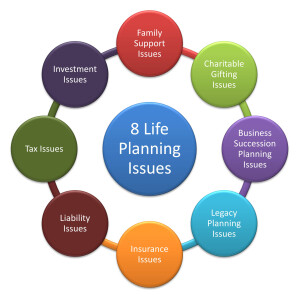
In this episode, Angela discusses the concept of 'preventative financial care' to avoid common financial pitfalls. She emphasizes the importance of seeking professional help early, rather than waiting until a crisis occurs. The episode outlines eight key life planning issues that serve as a baseline for proactive financial management.
Key Takeaways 💡
Preventative Financial Care: Angela introduces the idea of preventative financial care, comparing it to a doctor taking baseline measurements. She argues that most people only seek help after a problem arises, but it's much easier to plan ahead. The goal is to address financial issues proactively rather than reactively.
10,000 Hours of Mastery: Angela references Malcolm Gladwell's 'Outliers' to explain that it takes 10,000 hours of deliberate practice to master any skill. Since most people haven't spent that time on financial planning, they should seek professional help. She cites Richard Branson as an example of a successful person who is humble about what he doesn't know.
Family Support and Charitable Gifting: The first life planning issue is family support, particularly for the 'sandwich generation' caring for both children and aging parents. Angela shares a story of a couple who gave too much to their adult children, leading to financial strain when the husband developed Alzheimer's. She emphasizes the importance of learning to say no and planning for such situations.
Business Succession Planning: Angela discusses the complexities of passing a business to the next generation, especially when one child is involved and another is not. She highlights the risk of selling a business without proper protection, sharing a story of a seller who self-financed and lost everything when the buyer defaulted. Proper planning can prevent such losses.
Legacy and Insurance Issues: Legacy planning involves protecting assets from second marriages and divorces, as well as passing on values. Angela warns about insurance policies lapsing, citing a client who nearly lost a million-dollar policy on their mother. She stresses the need for annual reviews of all insurance policies to ensure they remain in force.
Liability and Tax Issues: Angela emphasizes the importance of adequate liability coverage, sharing a story of a client who faced a lawsuit after a car accident and had insufficient insurance. She notes that a cheap umbrella policy can protect assets. On taxes, she claims 99% of tax returns she reviews have opportunities to pay less, representing 'free money' lost to the government.
Investment Coordination: The final life planning issue is investments, which Angela says cannot be properly addressed without first considering the other seven issues. She uses the analogy of mixing three different cuisines into one bowl to illustrate the common mistake of failing to coordinate investments. Proper coordination ensures investments align with the client's unique situation.
The Cost of Not Knowing: Angela concludes with a story of a doctor who could have retired three years earlier but didn't know it. He died of a stroke two weeks after learning he could retire, highlighting the stress of financial uncertainty. She urges listeners to be humble about their limitations and seek help to avoid such tragedies.

May 13, 2026
May 13, 2026
23 min
Angela discusses financial, business, and life stress. She uses 'mom-isms' and personal anecdotes to illustrate how modern life, particularly technology, has increased stress by filling every moment. The episode emphasizes the importance of getting back to basics and organizing one's life to manage stress effectively.
Key Takeaways 💡
The Illusion of Efficiency: Technology was intended to make life more efficient, allowing for a better quality of life. However, instead of slowing down, we've filled every available moment with more tasks and responsibilities, leading to increased stress. This constant 'more' prevents our minds from ever shutting off.
The Value of Disconnection: In the past, a house phone and answering machine allowed for quality time away from communication demands. Today, the constant connectivity of smartphones means work and personal life bleed into each other, making it difficult to decompress and enjoy personal time, even when trying to disconnect.
Mom's Wisdom on Stress: Many common 'mom-isms' offer timeless advice for managing stress, such as 'Hold your horses,' 'Say no,' or 'Go to bed, I'm tired.' These simple phrases often address the root of stress, reminding us to slow down, set boundaries, and acknowledge our own limitations.
The Compounding Effect of Procrastination: Stress, especially financial and business stress, often builds over time due to procrastination. As life gets busier and finances more complex, delaying action on issues allows them to compound, making them harder to resolve later.
The Cruciality of Data Gathering: Effective life planning requires gathering all relevant financial and personal data, which can be a difficult but essential process. Even successful individuals with professional help often struggle to organize this information, highlighting the complexity of managing one's entire financial picture.
The Danger of Unorganized Insurance: A common issue found during data gathering is disorganized insurance policies, where assets are insured individually without a holistic view. This can lead to gaps in coverage or insufficient liability protection, leaving individuals vulnerable despite thinking they are well-covered.
Emotional Attachment vs. Analytical View: Individuals are often too emotionally attached to their own financial situations to see them objectively. An external, analytical perspective is crucial for identifying misalignments between one's life goals and their current financial strategy.
The Root of Stress: Not Knowing You Don't Know: The primary source of stress is often not the problems themselves, but the lack of awareness about them and the procrastination in addressing them. This 'walking blindfolded' approach prevents informed decision-making and exacerbates anxiety.
A Doctor's Wake-Up Call: A doctor, convinced he could never retire due to stress, was surprised to find his personalized retirement plan offered a 'green light.' Tragically, his retirement was cut short by a stroke, underscoring that stress can be detrimental, and it's vital to address it before it's too late.
Living Life on Purpose: The ultimate goal of life planning is to live life on purpose, which requires understanding your current situation and making informed decisions. Getting your bearings and organizing your life are the first steps to reducing stress and achieving this purpose.

Apr 15, 2026
Apr 15, 2026
25 min
This week, we feature an interview with Angela and Jim. They discuss the importance of wisdom in financial planning. They use anecdotes and real-life examples to illustrate how experience, proactive planning, and understanding the 'why' behind financial decisions are crucial for a secure future. The conversation emphasizes avoiding common pitfalls like emotional decision-making and fragmented advice.
Key Takeaways 💡
The Value of Wisdom: Wisdom is presented as a highly valuable asset. This wisdom is gained through years of experience, both positive and negative, and is essential for making sound financial decisions, especially for significant life events like retirement or selling a business.
Learning from Experience: True wisdom often comes from making mistakes and learning from them, or by paying attention to the experiences of others. Angela and Jim emphasize that their professional success stems from the vast stockpile of information gathered from client experiences, enabling them to guide others effectively.
The 'One Chance' Principle: Key life events such as retiring, selling a business, or dying, can only happen once. This underscores the critical need for proper planning, as mistakes made in these singular opportunities can have irreversible consequences. The urgency of planning is further emphasized by the recurring nature of paying taxes, where errors can lead to significant financial pain.
Client-Centered Planning: We've found that the most important aspect for the families we work with is often not the money itself, but the ability to take care of their loved ones. Angela and Jim share a poignant story of a client who, despite having sufficient assets, was unable to enjoy retirement due to a lack of proper planning and a sudden health crisis, highlighting the devastating impact of not being prepared.
The Pitfalls of Diversifying Advisors: The episode warns against diversifying financial advisors, comparing it to mixing favorite foods into one unappetizing bowl. Statistics suggest that while many advisors claim to offer comprehensive wealth management, few actually deliver. This fragmentation of advice can lead to missed opportunities and a lack of cohesive financial strategy.
The Danger of Large Firms: Relying solely on large financial firms does not guarantee optimal outcomes. A case study reveals a long-time client of a major firm who had been making significant financial errors, including being taxed twice on his money and failing to maximize retirement accounts, leading to a precarious financial situation in retirement.
Emotional Decision-Making: Fear and greed are identified as major emotional drivers that negatively impact financial decisions. In down markets, fear can lead to cashing out investments, while greed can lead to excessive risk-taking. The podcast illustrates this with an example of a couple whose differing emotional responses to market volatility resulted in a 50% difference in their portfolio values.
Cognitive Decline and Planning: The increasing prevalence of dementia and Alzheimer's presents a significant challenge in financial planning. Angela and Jim discuss the difficulty of managing finances when individuals are not thinking clearly, leading to poor decisions like buying assets without remembering the source of funds or incurring significant tax losses. They stress the importance of having trusted family members involved to protect assets.
The Role of Spouses and Family: The primary purpose of money is to care for family. When a spouse is lost, individuals who haven't planned adequately may struggle to adapt, potentially burdening their children. The discussion touches on the necessity of long-term care planning and the willingness to make necessary life changes.
The Quarterback Approach: Kennedy Financial Services aims to act as the 'quarterback' for their clients' financial lives, ensuring a holistic and proactive approach. They emphasize asking the right questions, coordinating with other professionals, and providing comprehensive planning to avoid the tragic outcomes that often result from piecemeal or neglected financial strategies.

Apr 8, 2026
Apr 8, 2026
41 min
This week, we feature an interview with insurance instructor Rodney Schultz. He talks about common misconceptions in insurance coverage. He discusses why focusing solely on price can be a costly mistake and how a lack of proper coverage, especially umbrella policies, can have significant financial repercussions.
Key Takeaways 💡
Insurance Misconceptions: Many people prioritize price over adequate coverage when shopping for insurance, which can lead to financial ruin in the event of a major claim. Direct-to-consumer insurance often cuts coverage to offer lower premiums, leaving individuals underinsured for critical areas like uninsured and underinsured motorists.
The Value of Proper Coverage: It's crucial to understand that insurance is not just about price but about protecting your financial future. Even younger individuals with seemingly few assets have significant future earnings to protect. Small, seemingly insignificant daily expenses can be reallocated to afford necessary coverage.
Understanding Umbrella Coverage: Umbrella insurance provides an extra layer of liability coverage above your auto and homeowners policies. It's a relatively inexpensive way to secure millions in additional coverage, protecting against catastrophic lawsuits that could otherwise deplete personal assets.
Life Insurance and Lawsuits: The amount of life insurance needed can be informed by potential lawsuit damages. If someone were to die due to an accident, their family could sue for lost income and other damages, highlighting the importance of adequate life insurance to cover such potential liabilities.
Rising Insurance Costs: Insurance premiums are increasing due to factors like increased material and labor costs, supply chain issues, more frequent and severe weather events, and the rising cost of vehicle repairs due to advanced technology. Insurance companies are losing money on premiums alone and rely on investments to stay afloat.
Annual Policy Reviews: Regularly reviewing insurance policies is essential to ensure adequate coverage as life circumstances and costs change. Failing to do so can lead to underinsurance, especially with rising inflation and building costs, leaving individuals vulnerable.
Shifting Risk Wisely: Consumers should aim to shift risks they cannot afford to cover to insurance companies. This means considering higher deductibles for smaller, manageable losses and prioritizing coverage for catastrophic events like major lawsuits or property damage.

Mar 10, 2026
Mar 10, 2026
22 min
This week, Angela discusses the pitfalls of 'cut and paste' financial and life planning advice, emphasizing that a holistic approach is necessary because one size does not fit all. The discussion covers the 8 Life Planning Issues and stresses the importance of being proactive rather than reactive in financial decision-making. She uses real-life examples to illustrate how piecemeal advice can lead to significant financial and personal detriment.
Key Takeaways 💡
Money should serve us: People often create a plan for their money, but the money should actually be the plan for the person's life. Following random advice heard on the street leads to errors because financial situations are unique. This backwards approach results in finding many ways that will not work, similar to Thomas Edison's process of elimination.
Avoid short-sighted goals: Most people focus their goals too narrowly on the immediate future, with 90% of lifetime goals being things they want to accomplish in the next year. This short-sightedness negatively impacts planning, such as when considering future tax increases, which should prompt planning for more than just the immediate next year.
Beware of online advice: It is easy to Google for answers, but people often search for information that confirms a preconceived answer they already want to believe, rather than what they actually need. An example showed a client relying on a 6% withdrawal rate guideline from a 2003 article that was no longer relevant to their current situation.
Prioritize self-care first: Family support issues, like caring for aging parents or adult children, can severely damage one's own financial plan if not addressed proactively. Individuals must remember to put on their own oxygen mask first before trying to solve complex family and financial dilemmas for others.
Review charitable gifting methods: A gentleman gifting six figures annually was using a gifting method that was not maximizing his tax deductions. Adjusting the method of gifting stocks to charity saved him over $100,000 annually in taxes and potentially saved his heirs over $2 million under current estate tax law.
Check business succession funding: A group of business partners pieced together a buy-sell agreement funded by life insurance without realizing the structure would cause the proceeds to be taxed twice. This double taxation would have severely reduced the intended payout, turning a $1 million policy into $250,000 after both business and spousal taxes.
Evaluate current insurance policies: It is crucial to know if you possess an old policy or a new one, as even a policy bought recently might be an older version, especially if the company is in financial trouble. Furthermore, liability coverage must be adequate, as illustrated by a case where insufficient coverage exposed an individual to massive liability after a serious accident.
Avoid reactive tax buying: Many people engage in reactive tax planning, such as buying assets just to get a deduction, which often results in purchasing depreciating items. Holistic planning should focus on the future rather than making short-term purchases to manage current tax obligations.
Address mental accounting errors: Mixing investment strategies based on different advice creates a chaotic portfolio that often fails to meet long-term needs. One client wanted aggressive growth where the advisors managed money but simultaneously kept a large portion in fixed funds, leading to insufficient growth to keep up with inflation.
Admit what you don't know: Even successful individuals like Richard Branson advise admitting, 'I know nothing' about money, which is often the hardest step for people to take. Seeking advice from neighbors or friends usually results in them giving immediate answers instead of asking the necessary follow-up questions required for proper planning.

Jan 28, 2026
Jan 28, 2026
24 min
This week, Angela discusses how to determine if you've outgrown your financial advisor. She shares anecdotes and insights to help listeners evaluate their current advisory relationships and understand the importance of holistic financial planning. The episode emphasizes the need for advisors who proactively work with other professionals and offer comprehensive solutions.
Key Takeaways 💡
Communication and holistic advice: An 88-year-old woman was nearly on the verge of running out of money because her advisor wasn't providing adequate communication or a comprehensive financial plan. The advisor was primarily focused on selling investments rather than offering holistic advice tailored to her specific needs, highlighting the importance of finding an advisor who understands your complete financial picture.
Outgrowing your advisor's expertise: An advisor's expertise may become insufficient as your financial situation evolves, even if they are well-intentioned. An advisor in the Form 400 group shared a story about his grandmother, who paid a substantial amount in taxes because her long-time advisor lacked the knowledge to minimize her tax burden, illustrating the need to reassess your advisor's capabilities periodically.
Finding the right advisor fit: Finding the right financial advisor is challenging, as different advisors have varying approaches and specializations. It's crucial to assess whether your current advisor's approach aligns with your needs and whether they can provide comprehensive guidance. The story of Hallie, the dog, and the yellow chair, illustrates how people tend to stick with things that no longer serve them.
Understanding advisor specializations: Different types of advisors, such as CPAs, bankers, insurance agents, and attorneys, have distinct areas of expertise. CPAs excel in taxes and accounting, bankers in banking products, insurance agents in insurance and annuities, and attorneys in law. It's important to recognize these specializations and seek advisors whose expertise aligns with your specific financial needs.
Captive vs. independent advisors: Captive advisors often have quotas to meet, which may influence their recommendations, while independent advisors may still have limitations based on their RIA or broker-dealer. It's important to understand whether an advisor is captive or independent and to consider the potential implications for their advice. Even amazing captive advisors may not be allowed to do a lot of things to help their clients.
Transparency of fees and commissions: Advisors can be paid through fees or commissions, and neither method is inherently bad. Fee-based advisors may be preferable for ongoing management, while commission-based advisors may be suitable for one-time transactions. It's essential to understand how your advisor is compensated to assess potential conflicts of interest and ensure their recommendations align with your best interests.
Proactive and holistic planning: A true advisor should proactively work with you and your other advisors to create a holistic life plan. This includes coordinating with insurance agents, accountants, and attorneys to address various aspects of your financial life, such as family support, charitable gifting, business succession, legacy planning, estate planning, liability issues, debt, tax issues, insurance, and investments.
Considering all available options: An effective advisor should make you aware of all available options, even if they don't have expertise in every area. Most advisors don't know everything, so it's important to seek help and advice from multiple sources when needed. If your advisor hasn't made you aware of the topics discussed in the podcast, you probably need to take a sit down and look at your situation.

Jan 21, 2026
Jan 21, 2026
20 min
This week, Angela discusses common mistakes in retirement planning. She emphasizes the importance of humility and continuous learning, even after years of experience. The episode aims to provide listeners with insights to avoid pitfalls and plan effectively for a secure retirement.
Key Takeaways 💡
Begin with the end in mind: It's important to start with the end in mind when planning for retirement, similar to planning a vacation. People often spend more time planning vacations than their retirement. Envisioning a successful retirement and considering what needs to happen to achieve that success is crucial for effective life planning.
Number one threat: Yourself: The biggest threat to retirement planning is often oneself, stemming from procrastination or overconfidence. Making assumptions without thorough planning is a common mistake. It's important to consider factors like potential healthcare costs, inflation, and the possibility of living longer than anticipated.
Protect your retirement: Failing to protect your retirement is a significant mistake, as various risks can be devastating. These risks include living too long, dying too soon, becoming incapacitated, being sued, inflation, investment risks, and taxes. It's important to consider the impact of inflation, as the cost of living typically increases by about 4% each year, eroding the value of savings.
Emotional investing risks: Emotional investing, driven by fear or greed, can be detrimental to retirement planning. Discipline is essential to avoid making rash decisions, especially during times of grief or emotional distress. Having someone to provide objective advice and prevent impulsive actions is crucial for maintaining a sound financial strategy.
Avoid piecemealing a plan: Piecemealing a retirement plan together from various sources can lead to a disjointed and ineffective strategy. Seeking advice from multiple sources without a cohesive plan can result in conflicting recommendations. It's important to find a trusted advisor who can provide comprehensive guidance and tailor a plan to individual needs.

Nov 18, 2025
Nov 18, 2025
25 min
Did you know 70% of adults age 65 will need long-term care in their lifetime. 20% will require LTC for more than 5 years. Roger Cantu with OneAmerica join us this week as our special guest to share some shocking statistics about Long-Term Care and offers some creative solutions.

Nov 5, 2025
Nov 5, 2025
24 min
This week Angela discusses the importance of long-term health care planning. She shares statistics about the likelihood of needing long-term care and the associated costs, emphasizing the need to create a comprehensive plan that goes beyond just financial aspects.
Key Takeaways 💡
Medicare typically covers the first 90 days of long-term health care services, but after that, individuals are responsible for covering the costs. Medicaid is a welfare program that requires individuals to have limited income and assets, potentially putting a spouse at financial risk and forcing them to spend down their assets before qualifying for assistance.
Individuals who are 65 years old have a 48% chance of needing some type of paid long-term care services in their lifetime. Furthermore, there is a 70% chance that individuals over 65 will need some type of severe long-term health care services.
From 2013 to 2017, there was a 200% increase in early onset dementia or Alzheimer's for Americans aged 30 to 64. This statistic highlights the importance of planning for long-term care needs, as early onset Alzheimer's can be devastating for families that are unprepared.
The average length of a long-term care stay for women is 3.7 years, while for men it is 2.2 years. Medicaid pays for 42% of long-term care costs, which is less than half, meaning that individuals and families need to be prepared to cover a significant portion of these expenses.
The median annual cost for homemaker and health aide services in Texas is $115,544, while in Montana it is $193,336. The median annual cost for a private room in a nursing home facility nationwide is $116,800, so it is important to research the costs of care in your specific location.
In 2020, 41.8 million Americans provided care to a person over the age of 50, so many families are sacrificing their own well-being to support loved ones. It is important to have a plan in place so that your family has a blueprint to follow, rather than burdening them with making difficult decisions in a crisis.
When creating a long-term health care plan, it is important to address the questions of who, how, what, and where. This includes identifying who will provide care, coordinate care, and manage finances, as well as determining where care will be received and what resources will be available.
It is important to consider different situations that could arise, such as both spouses living and cognitively strong but physically unable to care for themselves, or one spouse living and not cognitively strong. Addressing these potential scenarios can help families be prepared for whatever comes.